A Culinary Journey Through South Africa's Heritage
Welcome to our collection of Traditional South African Favorites! These recipes are more than just dishes; they are stories passed down through generations, reflecting the rich cultural tapestry of South Africa. From the Cape Malay influences to the hearty flavors of the Afrikaner kitchen, we invite you to explore the authentic tastes of our beautiful country.
Bobotie: A Spiced Minced Meat Delight
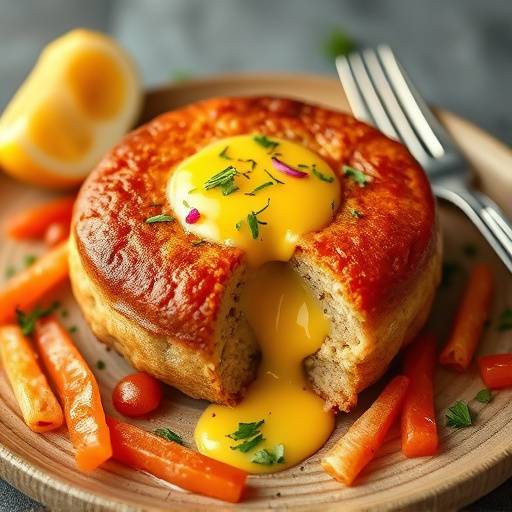
Bobotie is arguably one of South Africa’s most beloved dishes. Its origins can be traced back to the Dutch East India Company, with influences from Indonesian cuisine. The dish consists of spiced minced meat, usually beef or lamb, topped with a savory egg custard and baked until golden brown. Traditionally, it is served with yellow rice, chutney, and banana slices, creating a symphony of sweet and savory flavors.
The blend of spices, including turmeric, curry powder, and dried herbs, gives Bobotie its distinctive aroma and taste. Each family has its own secret ingredient, making every Bobotie recipe unique. This dish is not only a culinary delight but also a symbol of South Africa's diverse cultural heritage.
Boerewors: The Farmer's Sausage
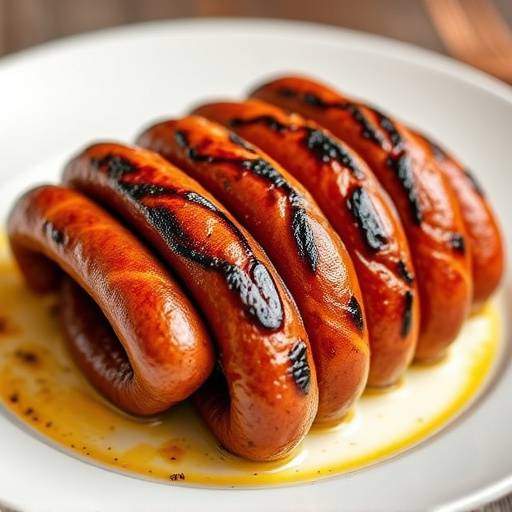
Boerewors, meaning "farmer's sausage" in Afrikaans, is a quintessential South African sausage. Made from coarsely ground beef, often mixed with pork or lamb, and a blend of spices, including coriander, black pepper, and cloves, Boerewors is a staple at braais (barbecues) across the country.
The unique flavor of Boerewors comes from the specific blend of spices and the high meat content. True Boerewors must contain at least 90% meat. It is traditionally served grilled or braaied, often in a "boerewors roll" with tomato sauce and onions. The smoky aroma and savory taste of Boerewors are synonymous with South African outdoor gatherings.
Bunny Chow: A Durban Curry in a Loaf
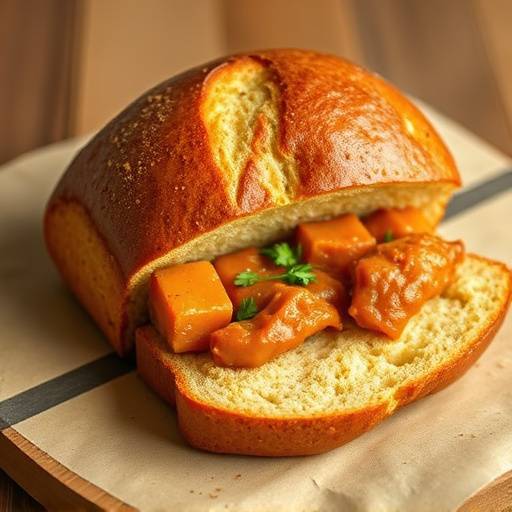
Bunny Chow is a street food staple originating from Durban, South Africa. It consists of a hollowed-out loaf of bread filled with a flavorful Durban curry. The curry can be made with mutton, chicken, beans, or vegetables, and is typically spicy and rich in flavor.
The history of Bunny Chow dates back to the Indian community in Durban during the apartheid era. It is believed that the dish was created as a convenient way for laborers to carry their lunch. The bread acts as a container, allowing for easy transport and consumption. Today, Bunny Chow is a popular and iconic South African dish enjoyed by people of all backgrounds.
Biltong: South Africa's Air-Dried Meat Snack
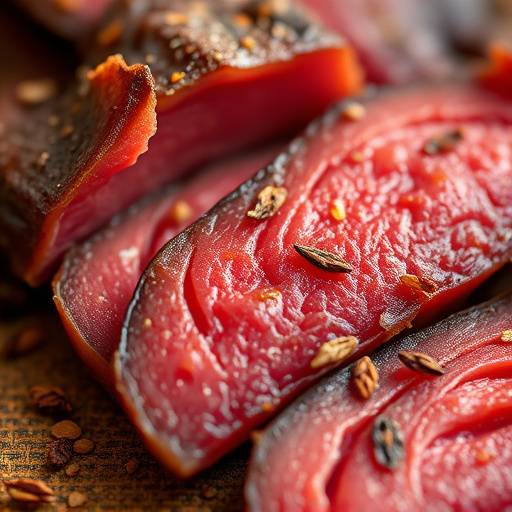
Biltong is a form of air-dried, cured meat that originated in South Africa. Various types of meat can be used to produce it, ranging from beef to game meats like kudu or ostrich. The meat is marinated in vinegar and spices, such as coriander, salt, and pepper, and then air-dried for several days.
Biltong is a popular snack and is known for its rich, savory flavor. Unlike jerky, Biltong is typically thicker and has a softer texture. It is often enjoyed as a protein-rich snack or as part of a charcuterie board. The history of Biltong dates back to the early Voortrekkers, who needed a way to preserve meat during their long journeys.
Melktert: A Creamy Custard Tart
Melktert, or milk tart, is a traditional South African dessert consisting of a sweet pastry crust filled with a creamy milk custard. The custard is typically flavored with cinnamon, vanilla, and sometimes a hint of almond extract. The tart is baked until the custard is set and the crust is golden brown.
Melktert is a beloved dessert enjoyed by South Africans of all ages. It is often served as a sweet treat after a meal or as a snack with tea or coffee. The origins of Melktert can be traced back to the Dutch settlers in the Cape. This creamy and comforting dessert is a true taste of South African hospitality.
Sosaties: Skewered and Spiced Meat
Sosaties are marinated, cubed meat (usually lamb or mutton) threaded onto skewers and grilled or braaied. The marinade typically includes onions, dried apricots, chili, garlic, and curry powder, giving the meat a sweet, savory, and slightly spicy flavor.
The name "Sosatie" is derived from "sate" (satay) and "sos" (sauce), reflecting the dish's Cape Malay origins. Sosaties are a popular choice for braais and are often served with rice or vegetables. The combination of tender, flavorful meat and the smoky char from the grill makes Sosaties a true South African culinary delight.
Koeksisters: Sweet and Sticky Delights
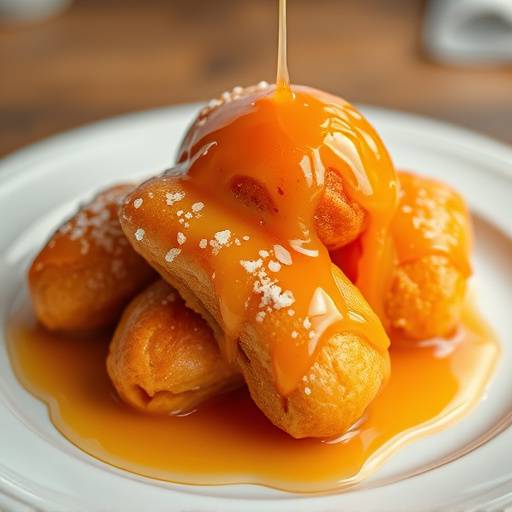
Koeksisters are traditional South African sweets made from dough that is deep-fried and then immediately immersed in cold syrup. The result is a crispy, golden-brown exterior and a soft, syrupy interior. The syrup is typically flavored with ginger, cinnamon, and lemon juice.
There are two main types of Koeksisters: the Afrikaner version, which is twisted and has a more cake-like texture, and the Cape Malay version, which is spicier and has a flakier texture. Both versions are incredibly sweet and are often enjoyed with a cup of tea or coffee. Koeksisters are a popular treat at markets, festivals, and family gatherings.
Chakalaka: Spicy Vegetable Relish
Chakalaka is a spicy South African vegetable relish, often made with beans, tomatoes, onions, carrots, peppers, and spices like curry powder, chili, and ginger. It is a versatile dish that can be served as a side dish, a relish, or a condiment.
Chakalaka is believed to have originated in the townships of Johannesburg, where it was created as a flavorful and affordable way to add variety to meals. Today, it is enjoyed across South Africa as a staple at braais, family dinners, and gatherings. The spicy and tangy flavor of Chakalaka complements a wide range of dishes, from grilled meats to pap (maize porridge).